A Series of Unfortunate Events Books: Order, Age & Bans
Anyone who’s picked up a Lemony Snicket book knows the warning: if you want a happy ending, look elsewhere. That dark promise has drawn millions into the Baudelaire orphans’ unlucky world and sparked decades of controversy, so here we sort out the facts.
Total books in main series: 13 ·
Publication years: 1999 – 2006 ·
Author: Lemony Snicket (Daniel Handler) ·
Copies sold worldwide: Over 60 million ·
Languages translated into: 41 ·
Netflix adaptation: 2017 – 2019 (3 seasons)
Quick snapshot
- A 13-book children’s series by Lemony Snicket (Daniel Handler) Wikipedia
- Follows the Baudelaire orphans after their parents’ death Barnes & Noble
- Known for dark humor, Victorian setting, and metafictional narration Wikipedia
- 13 main books published 1999–2006 Wikipedia
- First book: The Bad Beginning (1999) Barnes & Noble
- Final book: The End (2006) Wikipedia
- 2004 film starring Jim Carrey Wikipedia
- Netflix TV series (2017–2019) with Neil Patrick Harris (Wikipedia)
- Video game (2004) and audio books (Wikipedia)
- Frequently challenged/banned in U.S. schools Lemony Snicket Wiki (Fandom)
- Reasons cited: violence, inappropriate content for age Melissa J. Troutman
- Some critics praise the series for encouraging critical thinking Association for Library Service to Children
Nine key facts about the series, from word count to target audience, in one place.
| Attribute | Detail |
|---|---|
| Full title | A Series of Unfortunate Events |
| Author | Lemony Snicket (pseudonym of Daniel Handler) |
| Genre | Gothic fiction, dark comedy, children’s literature |
| Number of main books | 13 |
| Publication years | 1999 – 2006 |
| Target audience | Ages 8–12 (grades 3–7) |
| Worldwide sales | Over 60 million copies |
| Languages | Translated into 41 languages |
| Notable adaptation | Netflix series (2017–2019, 3 seasons) |
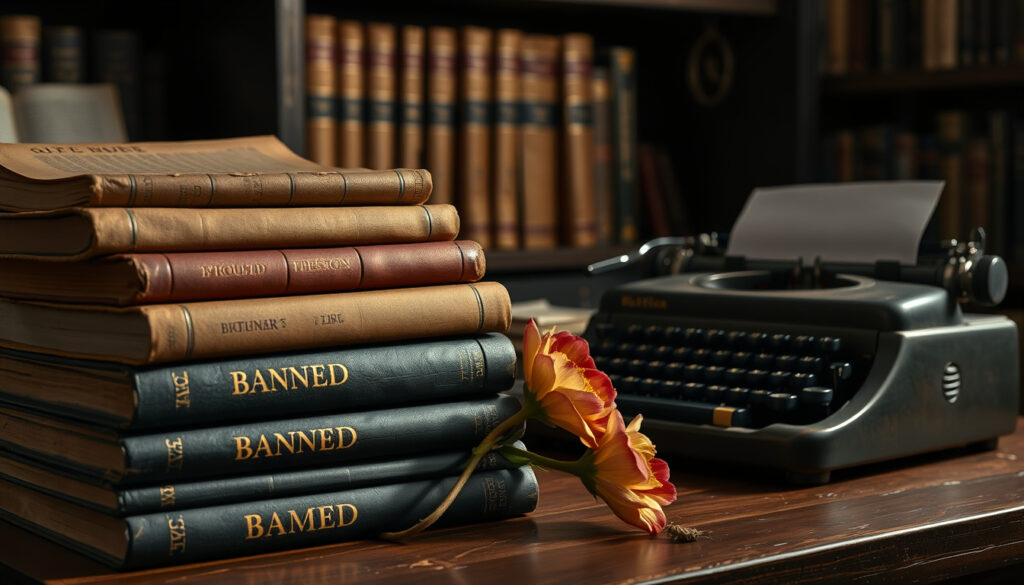
Why is A Series of Unfortunate Events banned?
The series has been a lightning rod for school censorship since its first volume hit shelves. The reasons vary, but a few themes keep recurring.
Reasons for censorship in schools
According to the Lemony Snicket Wiki (Fandom fan wiki), the books have been challenged or restricted in some schools because of violence and disturbing content. A review by Melissa J. Troutman notes that school-library bans or challenges are often tied to claims that the books are simply too violent for children. Parents and administrators have raised red flags about child abuse, murder, arson, and the general unsentimental tone — all of which Snicket deliberately puts front and center.
The series that critics say is too dark for kids is the very one the author wrote to prepare them for a grim world. Daniel Handler told the Association for Library Service to Children (professional children’s library association): “The world is not a safe place, and children need to know that.”
Specific instances of bans in the United States
The American Library Association (ALA) (national library advocacy body) has repeatedly listed the series among its most frequently challenged books of the decade. Exact numbers of bans and challenges are not centrally tracked, but the series appears regularly on ALA’s annual top-ten lists, often alongside other mainstays of classroom debate such as Captain Underpants and The Adventures of Huckleberry Finn.
How the author responded to controversies
Handler has always pushed back gently but firmly on censorship. In a 2014 interview with the Association for Library Service to Children (professional children’s library association), he recalled that when the series was first published, there was a push to put an age range on the books. The back-of-book marker ended up as “10 up,” even though the books were placed at a 6th- and 7th-grade level in classrooms. “Children read it much earlier than that,” he noted, implying the disconnect between official age labels and actual reading behavior.
Are there 13 books in A Series of Unfortunate Events?
Yes — the main series runs exactly 13 books, published between 1999 and 2006. But there are also companion works worth knowing.
The complete list of the 13 main books
Here’s the full order as listed by Barnes & Noble (major bookseller) and Wikipedia:
- Book 1: The Bad Beginning (1999)
- Book 2: The Reptile Room (1999)
- Book 3: The Wide Window (2000)
- Book 4: The Miserable Mill (2000)
- Book 5: The Austere Academy (2000)
- Book 6: The Ersatz Elevator (2001)
- Book 7: The Vile Village (2001)
- Book 8: The Hostile Hospital (2001)
- Book 9: The Carnivorous Carnival (2002)
- Book 10: The Slippery Slope (2003)
- Book 11: The Grim Grotto (2004)
- Book 12: The Penultimate Peril (2005)
- Book 13: The End (2006)
Are there any additional companion books?
Yes. Handler also published The Beatrice Letters and Lemony Snicket: The Unauthorized Autobiography, which flesh out the fictional world but aren’t required reading for the main plot. Some fans also count The Dismal Dinner and other short pieces, but the core 13 are the ones that count toward the series length.
Does the Netflix series cover all 13 books?
The Wikipedia entry for the Netflix adaptation confirms that the show ran for three seasons (2017–2019) and adapted all 13 books — each book getting roughly two episodes. The show remained faithful to the plot while expanding a few side characters, notably the villain Count Olaf played by Neil Patrick Harris.
The pattern: 13 books is a deliberate, complete arc. Snicket built a story that only works as a full set. The Netflix adaptation understood that and committed to covering every volume.
Snicket deliberately wrote 13 books as a complete arc, and the Netflix adaptation honored that commitment.
What age is the series of unfortunate events books for?
Age recommendations depend on who you ask — publisher, educator, or parent. Here’s how they line up.
Recommended age range from publishers and reviewers
- Publisher’s label: “10 up” according to Daniel Handler’s own account in the Association for Library Service to Children interview.
- Common Sense Media: Recommends ages 10 and up due to dark themes and violence.
- Bookroo (reading recommendation site): Lists the reading age for Book 1 as 8–12 Bookroo.
- ReadingVine (educational resource): Also recommends 8–12 for The Bad Beginning ReadingVine.
Reading level and complexity
The vocabulary and sentence structure place the series around a 7th–8th grade reading level, according to Scholastic (educational publisher). That’s actually a grade or two above the recommended age, meaning many 8- and 9-year-olds can decode the words but may miss the satirical nuances. The books are long — each averages about 60,000 words, and the entire series totals roughly 800,000 words.
Parental guidance considerations
The real question isn’t “what age can read it?” but “what age can handle the themes?”. The series features orphans being chased by a murderous guardian, frequent deaths, arson, and a bleak worldview. Some children find it thrilling and cathartic; others may feel genuinely unsettled. Common Sense Media (parent-focused media review site) suggests parents preview the books and discuss the darker moments with children under 10.
The catch: the same qualities that make the series controversial also make it a powerful tool for building resilience and critical thinking. Handler famously said, “The world is not a safe place, and children need to know that.” For parents who agree, the series is a gentle inoculation. For those who don’t, it will remain banned on shelves.
If your child asks to read the series before age 8, read a chapter aloud first. The humor and wordplay can be appreciated even if the violence is skipped — but the tone is unmistakably grim. For ages 10 and up, most children can handle it independently with occasional talk-through.
For parents who agree with Handler’s philosophy, the series is a gentle inoculation; for those who don’t, it will remain banned on shelves.
Timeline: A Series of Unfortunate Events
A look at how the series unfolded from first publication to final adaptation.
- 1999 — The Bad Beginning published Wikipedia
- 2000 — The Reptile Room, The Wide Window, The Miserable Mill published Wikipedia
- 2001 — The Austere Academy published Wikipedia
- 2002 — The Ersatz Elevator published Wikipedia
- 2003 — The Vile Village published Wikipedia
- 2004 — The Hostile Hospital, The Carnivorous Carnival published; 2004 film released Wikipedia
- 2005 — The Grim Grotto published Wikipedia
- 2006 — The Penultimate Peril and The End (Book 13) published Wikipedia
- 2017–2019 — Netflix series released over three seasons Wikipedia
The timeline shows a rapid initial publication pace, with later books taking longer, building anticipation for the final volumes.
Clarity: Confirmed facts and what remains unclear
Confirmed facts
- The series includes 13 main books. Wikipedia
- Author is Daniel Handler under pen name Lemony Snicket. Wikipedia
- The series has been challenged/banned in various school districts. American Library Association
- Netflix adapted the series in three seasons. Wikipedia
What’s unclear
- Exact number of schools that have banned the series is not centrally tracked.
- Specific reasons for banning vary by institution and are sometimes not documented.
- The extent of LGBTQ representation is subtle and debated by readers.
The confirmed facts are well-documented, while the unclear points highlight gaps in central tracking of bans.
What key people have said about the series
“The world is not a safe place, and children need to know that.”
— Lemony Snicket (Daniel Handler), author, in an interview with the Association for Library Service to Children
The series “frequently appears on the ALA’s list of most challenged books of the decade.”
— American Library Association (ALA), official statement
Summary: What’s at stake for readers, parents, and educators
Lemony Snicket’s 13-book series has sold more than 60 million copies worldwide and been translated into 41 languages, but its legacy is split between devoted fans and cautious gatekeepers. For parents and educators in the U.S., the choice is clear: the series offers young readers a rare chance to confront darkness in a controlled, humorous setting — but only if adults are willing to talk it through rather than ban it.
reddit.com, goodreads.com, instagram.com, reddit.com, adventurekitchen.com
Frequently Asked Questions
Is A Series of Unfortunate Events LGBTQ?
LGBTQ representation in the series is subtle and mostly debated by readers. No characters are explicitly identified as LGBTQ in the main books, but some readers interpret certain characters and themes as queer-coded.
Who is the author of A Series of Unfortunate Events?
The author is Daniel Handler, writing under the pen name Lemony Snicket.
What is the order of all 13 books in the series?
Book 1: The Bad Beginning, 2: The Reptile Room, 3: The Wide Window, 4: The Miserable Mill, 5: The Austere Academy, 6: The Ersatz Elevator, 7: The Vile Village, 8: The Hostile Hospital, 9: The Carnivorous Carnival, 10: The Slippery Slope, 11: The Grim Grotto, 12: The Penultimate Peril, 13: The End.
Is there a Netflix series for A Series of Unfortunate Events?
Yes, Netflix released a three-season adaptation from 2017 to 2019, covering all 13 books with Neil Patrick Harris playing Count Olaf.
What is the first book in the series?
The first book is The Bad Beginning, published in 1999.
How many words are in the entire A Series of Unfortunate Events series?
The entire series totals approximately 800,000 words across the 13 main books.
What is the #1 banned book in the world?
The most frequently banned book worldwide varies by year, but the Bible, Harry Potter, and The Adventures of Huckleberry Finn often top lists. A Series of Unfortunate Events has appeared on the ALA’s top ten challenged books multiple times.
More related posts